
“Digital transformation” is a popular goal, promising agility and better customer experiences. But for many organizations, a bloated and outdated application landscape is a major roadblock. Legacy systems consume resources, technical debt slows change, and having redundant tools just creates complexity. Application Portfolio Management (APM) is the discipline that helps fix this. It’s the practical process of reducing technical debt, streamlining the applications you own, and freeing up resources for modernization.
This isn’t just a simple cleanup. APM plays a central role in guiding digital projects, ensuring that new technologies can actually integrate with existing systems. This article explores how focusing on digital transformation with APM is what creates a leaner, more effective application portfolio.
Explore the ready-to-use capability maps, application scoring templates and dashboard built for Application Portfolio Management.
Modernization and Technical Debt Reduction
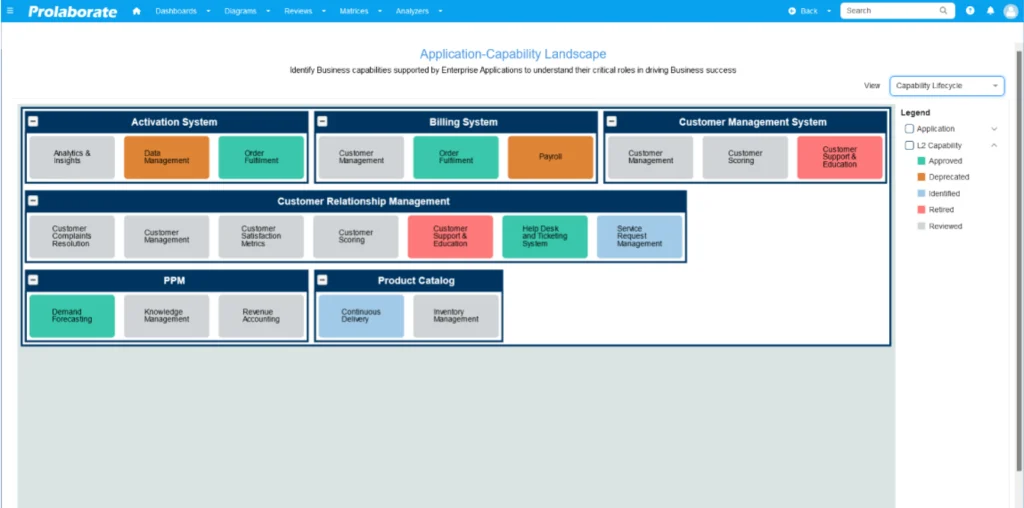
Technical debt is what happens when modernization efforts are deferred, often to meet more immediate business demands. Every deferred update or skipped modernization builds up, creating a maintenance burden that just gets bigger. APM is how you build a real modernization strategy. It shines a light on outdated technologies, unsupported software, and redundant systems, allowing teams to create a prioritized modernization backlog and decide what to tackle first.
Inventory & Classification
First, you have to know what you have. This means recording each application’s age, its vendor support status, and the technology it runs on. This is the first step in application classification for tech stack optimization, flagging platforms that are no longer supported or rely on obsolete languages.
Assess Technical Health
This assessment answers key questions: How difficult is the application to maintain? Can it integrate with modern tools? Are skilled resources available to support it? This score separates the modern, healthy apps from the problems. Use heatmaps to reveal application health and usage patterns across your portfolio.
Define Modernization Options
Once you know the problem, you can decide on the solution. Do you rehost, replatform, refactor the code, or just replace it entirely?
Plan Phased Upgrades
You can’t fix everything at once. Prioritize the applications from your backlog that are on critical business paths or are eating up a disproportionate amount of the maintenance budget.
Following these steps does more than just reduce technical debt. It clears the path for building a more flexible, cloud-native future.
Aligning IT with Business Agility

Application Portfolio Management (APM) helps you make better decisions, faster. It does this by drawing a direct line from each application to a specific business capability, often using a capability model. This visibility is the key to value realization; you can finally see what a piece of software does for the business and how well it supports the company’s main goals. A lean, well-understood portfolio offers clear business value and benefits:
- Faster change cycles: When you have fewer applications, you have fewer dependencies. This creates a more agile portfolio. That means deploying new features or responding to a market opportunity doesn’t require a six-month impact analysis.
- Improved scalability: Modern apps are built to scale and connect via APIs. This supports real-world growth and customer demand without risking instability or performance issues.
- Enhanced employee experience: This one is simple. When you remove redundant tools, you reduce friction and mental clutter for your team. Rationalizing the toolkit gives people back their time and removes daily roadblocks.
- Better alignment with priorities: By scoring apps on their actual business value, IT can stop wasting resources on systems that don’t matter. You can finally focus on the ones that drive revenue or give the company a competitive edge.
APM and Cloud‑Native Transformation
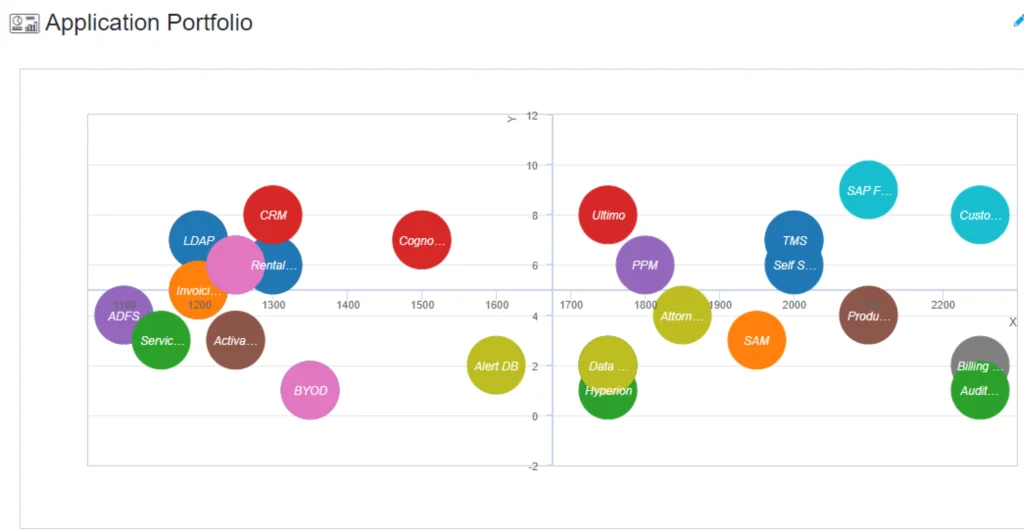
You can’t talk about digital transformation without talking about the cloud. Moving to a cloud-native architecture is a massive part of the journey. You also can’t migrate what you don’t understand. APM provides that complete inventory and critically maps out all the dependencies before you start moving things. This is the foundation for prioritizing cloud migrations with APM.
When planning for cloud migration:
Categorize Applications
This is the “6 Rs” of migration. Decide which apps are out of scope, which will be retired, rehosted (a simple “lift-and-shift”), replatformed, repurchased (“drop-and-shop”), reconfigured, or fully refactored.
Assess cloud readiness
Be realistic. Can this application actually run in a cloud environment? You have to evaluate its performance, compliance needs, and all its dependencies first.
Map Dependencies
Use a tool like Enterprise Architect to model and document every interface and data flow. This is how you ensure that no component gets left behind during the move.
Plan migration waves
Don’t try a “big bang” migration. Group applications by their complexity and business impact into a manageable change portfolio. Use clear visuals like charts, graphs, and roadmaps to communicate the plan to stakeholders, so everyone knows what’s moving and when.
This is how APM supports cloud migration decisions, ensuring they are driven by data, not just assumptions, and stay aligned with what the business is trying to achieve.
Cultural and Organizational Change
A successful digital transformation strategy isn’t just about technology—it’s about successfully managing the people and cultural changes that come with it. Real modernization won’t happen without collaboration between IT, finance, security, and the actual business units.
- Establish cross‑functional governance: Create a steering committee with representatives from architecture, finance, security, and business areas who are directly accountable for prioritizing the work and assigning clear ownership.
- Promote transparency: Share dashboards and data widely, not just within the IT department. When people see the data, they’re more likely to get on board. This transparency builds trust and cuts down on resistance.
- Invest in training: You can’t build a modern architecture with an outdated skillset. Teams need training in microservices, DevOps practices, and the cloud platforms you’re adopting.
- Iterate and celebrate wins: Deliver modernization in small, visible chunks. When something works, showcase it. “We cut costs by X,” or “Performance is up by Y.” Then, reinvest those savings into the next transformation.
Let’s be clear: APM projects often get stuck. The common challenges in adopting APM often include bad data quality, simple resistance to change, and not having enough resources. Tackling these human and political factors is just as important as the technology itself.
Tools and Frameworks
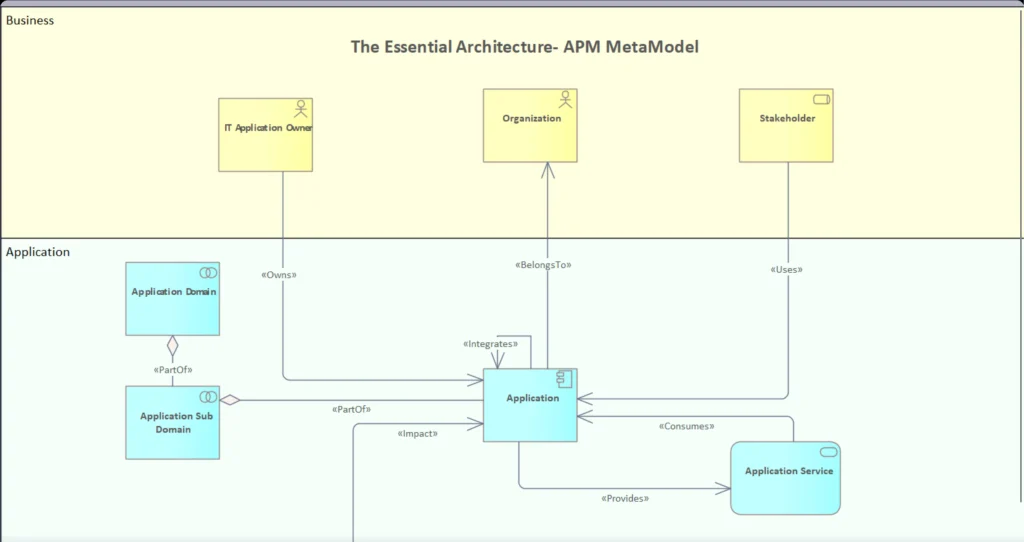
The Sparx Systems Architecture Platform provides the platform to manage this entire process.
- Enterprise Architect (EA): This is where you model the entire application portfolio, including the technology stacks and all their dependencies.
- Pro Cloud Server: Connects your teams, allowing for real-time collaboration no matter where they are.
- Prolaborate: This is the bridge to the business. It translates your complex architecture models into simple, clear dashboards. These custom Prolaborate stakeholder views mean everyone from the C-suite to project managers can understand and use the data.
A practical workflow for this looks like this:
1. Create a Metamodel
First, define your building blocks. This means standardizing elements for applications, capabilities, and tech, along with attributes for cost, value, and technical health.
2. Import & Enrich Data
Get your initial application list in, whether from spreadsheets or integrations. From there, you enrich it by capturing all the dependencies and assessment scores.
3. Configure Dashboards
Build cost‑versus‑value heatmaps, modernization roadmaps, and capability maps in Prolaborate. Use card widgets to highlight KPIs like technical debt, average application age, or time‑to‑change.
4. Integrate with Delivery
Connect the architecture to the work. Link the epics and user stories in your team’s agile tools directly to the applications and capabilities in your model. This lets you track real-world progress toward your modernization goals.
This framework is what turns APM insights into an actionable plan, ensuring your digital transformation efforts stay firmly aligned with your enterprise architecture.
See how Enterprise Architect, Prolaborate and Pro Cloud Server streamline APM for your environment.
Leaner application landscapes aren’t just “nice to have”; they are a requirement for any serious digital transformation. Gaining this visibility and control allows organizations to channel resources effectively, optimize redundant systems, and successfully update critical platforms. APM is the tool that exposes the technical debt, aligns the portfolio with what the business actually cares about, and gets the whole landscape ready for a move to the cloud.
APM is the steering wheel for these digital projects. It provides the data-driven insights you need to reduce technical debt and speed up modernization. By combining these technical practices with a smart approach to cultural change—all supported by the Sparx Systems Architecture Platform, an organization can finally master digital transformation with APM, turning chaotic application sprawl into a streamlined, agile foundation for real innovation.


