
Enterprise Architecture provides a holistic view of an organization’s strategy, business processes, information, applications, and technology. Sparx Enterprise Architect (EA) is a comprehensive sparx enterprise architecture tool for modeling and analysis that enables organizations to design, manage, and govern their enterprise architecture effectively.
One of the core strengths of Sparx EA lies in its ability to model across all architecture layers, ensuring alignment between strategy, operations, and technology using industry-standard frameworks. This article explores how sparx enterprise architecture modeling works across layers with ArchiMate® and TOGAF® support, and how Prolaborate helps publish insights.
Model strategy, processes, applications, data, and technology with end-to-end traceability and standards support in one platform.
Enterprise Architecture Layers
Enterprise Architecture provides an extensive view of an organization’s strategy, processes, information, applications, and technology. The BAIT model—comprising the Business, Application, Information, and Technology layers—provides a structured approach to modeling and managing these critical enterprise architecture domains.
By leveraging tools like Sparx Enterprise Architect and Prolaborate, organizations can ensure alignment between business and IT, enhance transparency, and support informed decision-making across all levels of the enterprise. When teams ask for a pragmatic sparx architecture tool, EA provides the breadth to capture strategy-to-execution with traceability.

Figure 1: BAIT Layer
Extensive Standards Support in Sparx Enterprise Architect
Sparx Enterprise Architect supports industry-standard frameworks like ArchiMate and TOGAF, helping organizations create consistent, interoperable, and compliant enterprise architecture models.
If you need sparx archimate modeling or sparx togaf modeling, EA includes purpose-built MDG Technologies, reference structures, and viewpoints that accelerate framework-aligned delivery.
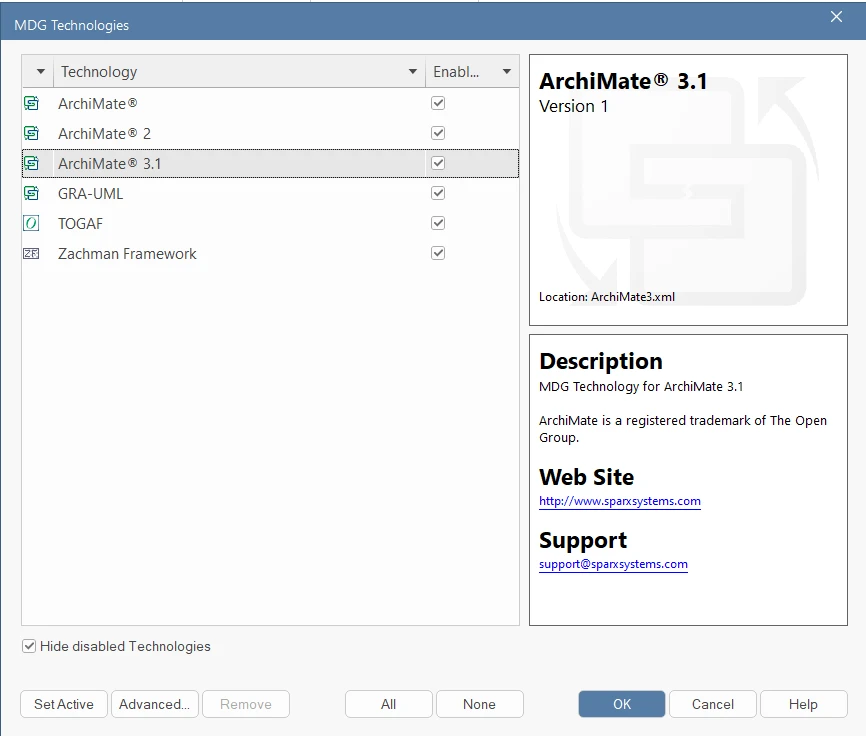
Figure 2: Standard Framework in Sparx EA
BAIT Layers in Sparx EA
Sparx Enterprise Architect (EA) enables organizations to model and manage the BAIT layers: Business, Application, Information, and Technology using swim lanes and colour differentiation for each layer. This visual approach makes it easier to distinguish layers, understand dependencies, and communicate architecture insights effectively. These capabilities form the backbone of sparx enterprise architecture modeling for complex portfolios.

Figure 3: BAIT Metamodel in Sparx EA
Modeling Business Layer with Sparx EA
The business layer focuses on the organization’s structure, processes, services, roles, and information flows.
Sparx Enterprise Architect supports ArchiMate modeling by helping visualize business services, organization, and value delivery models, enabling organizations to define business activities clearly and align them effectively with strategic objectives.
For teams standardizing sparx archimate modeling, EA’s business viewpoints, catalogs, and relationship matrices make stakeholder mapping and process-to-capability alignment straightforward.

Figure 4: Business Layer in Sparx Enterprise Architect
Hands-on labs, real viewpoints, catalogs, and relationship matrices—mapped to your portfolio and governance. Certification-ready paths included.
Designing the Application Layer with Sparx EA
This layer defines the Applications, Interfaces, and Services that support business processes.
Sparx Enterprise Architect facilitates the creation of application architecture diagrams, interaction models, and information flow mappings, allowing applications to be linked with business processes, data entities, and technologies to provide full transparency of dependencies.
The sparx enterprise architecture tool supports service catalogs, interface contracts, and dependency analysis for modern microservices and integration landscapes.
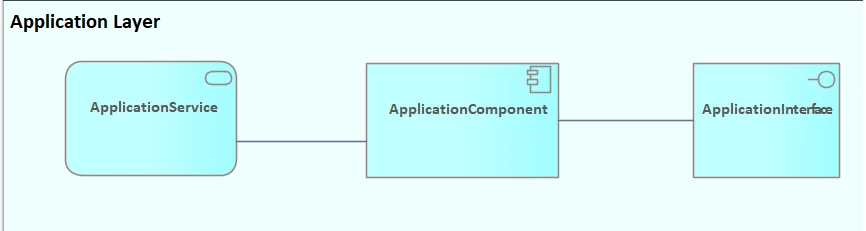
Figure 5: Application Layer in Enterprise Architect
Information Layer in Sparx EA
The Information Layer in Enterprise Architecture focuses on managing an organization’s data and information assets. Sparx Enterprise Architect (EA) enables the modeling of conceptual, logical, and physical data structures, using tools like ArchiMate data objects. It also supports tracing data ownership, ensuring clarity, consistency, and governance of critical information assets.
These features are essential for sparx enterprise architecture modeling where data lineage, stewardship, and security classifications must be captured.

Figure 6: Information Layer in EA
Designing Technology Layer with Sparx EA
The technology layer focuses on the infrastructure, platforms, and technology services that underpin applications.
Sparx Enterprise Architect allows organizations to define IT infrastructure models, cloud architectures, and technology standards, while also providing support for integration with platforms such as TOGAF technology reference models.
Architects using sparx togaf modeling benefit from reusable patterns, technology standards catalogs, and traceability to applications and business outcomes.

Figure 7: Technology Layer in Sparx EA
Publishing Architecture Insights Using Sparx Prolaborate
The Prolaborate publishing portal empowers teams to extend the value of Enterprise Architecture by enabling rich, interactive dashboards, collaborative reviews, and stakeholder-friendly visualizations.

Figure 8: Application Road Map in Sparx Prolaborate
Driven by the underlying model in Sparx Enterprise Architect, Prolaborate makes architectural insights accessible to a wider business and technical audience. Together, EA and Prolaborate deliver end‑to‑end sparx enterprise architecture modeling—from repository to web dashboards.

Figure 9: Application Landscape chart in Sparx Prolaborate
Benefits of Using the Sparx EA
- Holistic View: Sparx Enterprise Architect incorporates strategy, business, applications, data, and technology, providing a unified approach to enterprise architecture modeling and managing the entire enterprise architecture landscape.
- Traceability: Sparx EA links strategic objectives to business processes, applications, and infrastructure, ensuring seamless alignment across all layers of enterprise architecture.
- Collaboration: Sparx EA Prolaborate dashboards empower stakeholders to actively engage with sparx enterprise architecture models, fostering collaboration and improving decision-making.
- Transformation Roadmaps: Sparx EA provides end-to-end support from strategy to execution, enabling organizations to manage the full enterprise architecture lifecycle seamlessly using sparx enterprise architecture tool capabilities.
By modeling across all Enterprise Architecture layers, Sparx Enterprise Architect helps organizations align strategy with operations, optimize business processes, reduce redundancy, and modernize technology landscapes. Its flexible and framework-driven approach is ideal for sparx archimate modeling and sparx togaf modeling, making it one of the most powerful platforms for managing digital transformation initiatives.
If you’re establishing or scaling a Sparx Enterprise Architecture practice, EA and Prolaborate together provide a pragmatic, scalable path from modeling to stakeholder communication without changing your content structure or governance approach.
Unlock dashboards, traceability, and standards-based modeling in one place. Start with a quick walkthrough tailored to your context.
Explore Sparx Enterprise Architecture Tools and Capabilities
Frequently Asked Questions
How does Sparx Enterprise Architecture Modeling capabilities differ from generic diagramming tools?
Sparx Enterprise Architecture Modeling offers standards-based frameworks, deep traceability, and repository-driven collaboration, unlike generic diagramming tools that lack governance, integration, and enterprise scalability. It aligns business processes, data, applications, and technology seamlessly, ensuring strategic goals connect directly to execution with consistency and compliance across all architecture layers.
What are the practical first steps for Modeling with TOGAF in Sparx EA?
Begin by setting up the TOGAF framework in Sparx EA using built-in MDG Technology. Define catalogs, matrices, and baseline architectures. Capture business drivers, stakeholders, and principles, then establish architecture views. Leverage reference models, reusable patterns, and traceability to create a practical roadmap aligning strategy, business, applications, and technology.
How does Sparx Prolaborate enhance Enterprise Architecture Modeling?
Prolaborate enhances Enterprise Architecture Modeling by enabling collaborative reviews, interactive dashboards, and simplified visualizations for non-technical stakeholders. It transforms Sparx EA’s repository models into accessible insights, improving decision-making, transparency, and governance. This ensures architects, business users, and executives align through shared dashboards, reducing silos while accelerating architecture communication and adoption effectively.
Do you offer trainings or workshops for Sparx ArchiMate modeling?
Yes, we provide expert-led training and workshops on Sparx ArchiMate modeling. Sessions cover viewpoints, catalogs, relationship matrices, and best practices for enterprise-scale modeling. Participants learn how to apply ArchiMate in Sparx EA, align capabilities with processes, and ensure compliance with frameworks while building actionable, architecture-driven transformation roadmaps effectively.
What does Enterprise Architecture Modeling cover across the BAIT Layers (Business, Application, Information, Technology)?
Enterprise Architecture Modeling with Sparx EA covers business processes, organization, and services; application systems and interactions; information structures and data governance; and technology infrastructure, platforms, and services. Together, the BAIT layers provide an integrated view, ensuring alignment across domains and enabling organizations to manage strategy-to-execution holistically and efficiently with complete traceability.


